Every lot in an auction catalogue carries two numbers. A camera is expected to make, say, €800 to €1,000. They are set by specialists who have handled the object, know what its siblings fetched, and have every commercial reason to get them right.
Leitz Photographica publishes its results in full. Reading them back to 2005 gives 21,820 completed sales where the estimate and the result are both stated. That is enough to ask a question the house does not publish an answer to.
Once in five
| Where the hammer landed | Lots | Share |
|---|---|---|
| Below the low estimate | 10,775 | 49.4% |
| Inside the estimate range | 4,101 | 18.8% |
| Above the high estimate | 6,944 | 31.8% |
Fewer than one lot in five sells for a sum inside the range printed against it. Half sell for less than the lower of the two figures. The median lot makes 83% of its top estimate.
Stated like that it reads as a failing grade. It is not, and the reason is in the third row of that table.
The lots that run away
Of those 6,944 lots that beat their top estimate, 857 beat it by two times or more. A hundred and seventeen beat it by five times. Seventeen by ten times or more.
Those 857 lots are under four per cent of everything sold.
They account for 37.9% of all the money that has passed through the room.
Four per cent of the objects, more than a third of the turnover. That is the shape of this market, and it is not a shape any range around a central guess can describe.
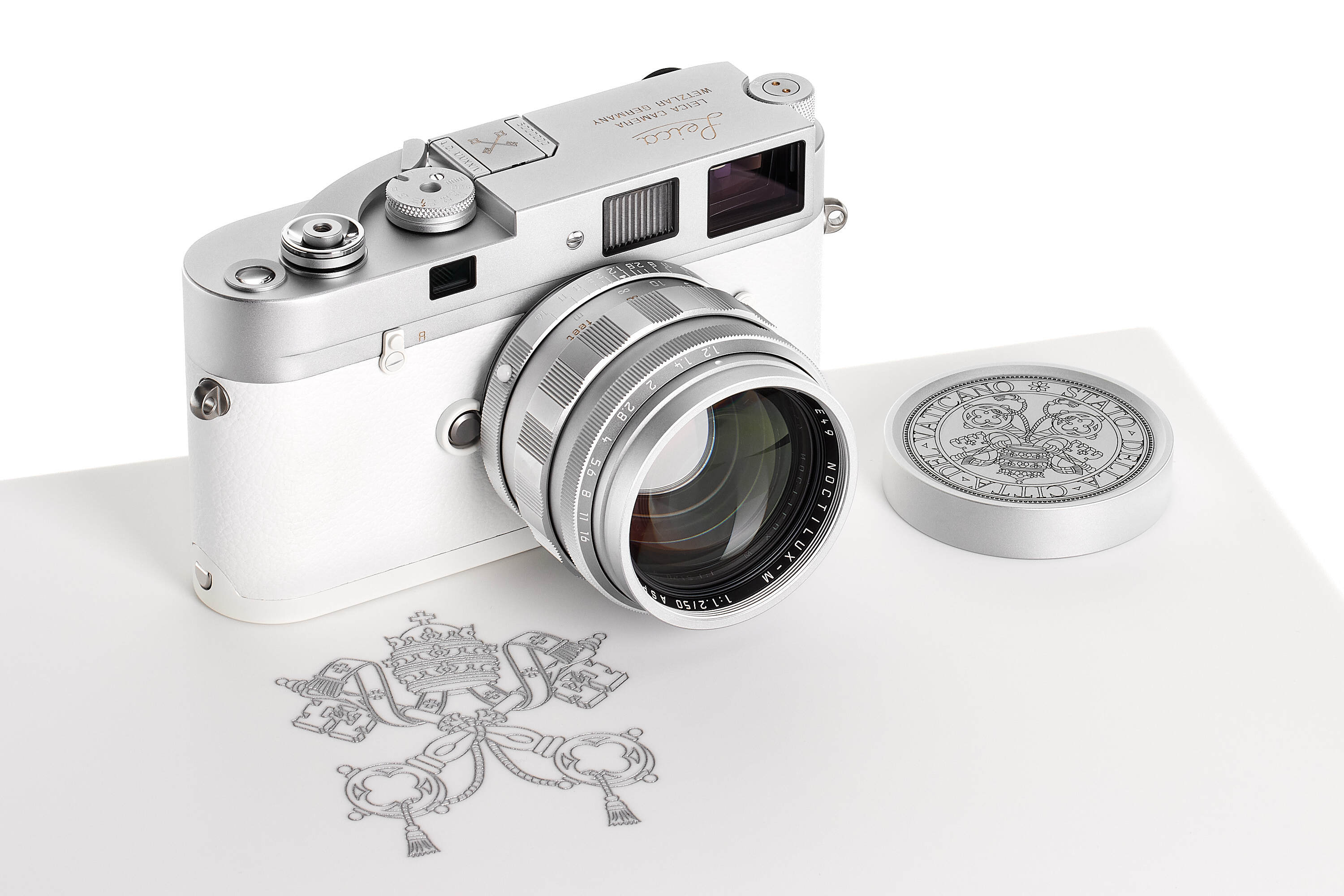
The most extreme case was in November 2025: a unique Leica M-A that Leica had presented to Pope Francis, estimated at €60,000 to €70,000, sold for €6.5 million — ninety-three times the top estimate, for charity. Nine years earlier a gold Leica M6 made for the Sultan of Brunei, estimated at €20,000 to €24,000, made €1,024,390.
No specialist could have written a range that contained either. The number under those lots was doing a different job. It was a starting point for something nobody could forecast.
The catalogue does not always say
You would expect the runaways to be the obviously special things. Sorting the 857 by what the catalogue said about them, they are not.
| What the entry described | Lots | Share of the tail |
|---|---|---|
| Nothing our search could identify | 423 | 49.4% |
| Named provenance or a milestone serial | 210 | 24.5% |
| Prototype, sample or one-off | 161 | 18.8% |
| Rare finish | 63 | 7.4% |
Half the lots that multiplied carried none of the words we searched for — no prototype, no black paint, no famous owner, no milestone number.
But read a few of them and the picture is subtler than "ordinary". A KGB spy camera concealed in a briefcase, estimated at €1,400–1,600, made €21,600. A Leica IIIa in British naval service estimated at €2,000 made €43,200. A sectioned Summarit, cut open to show its glass, was expected to make €500 and took €4,770.
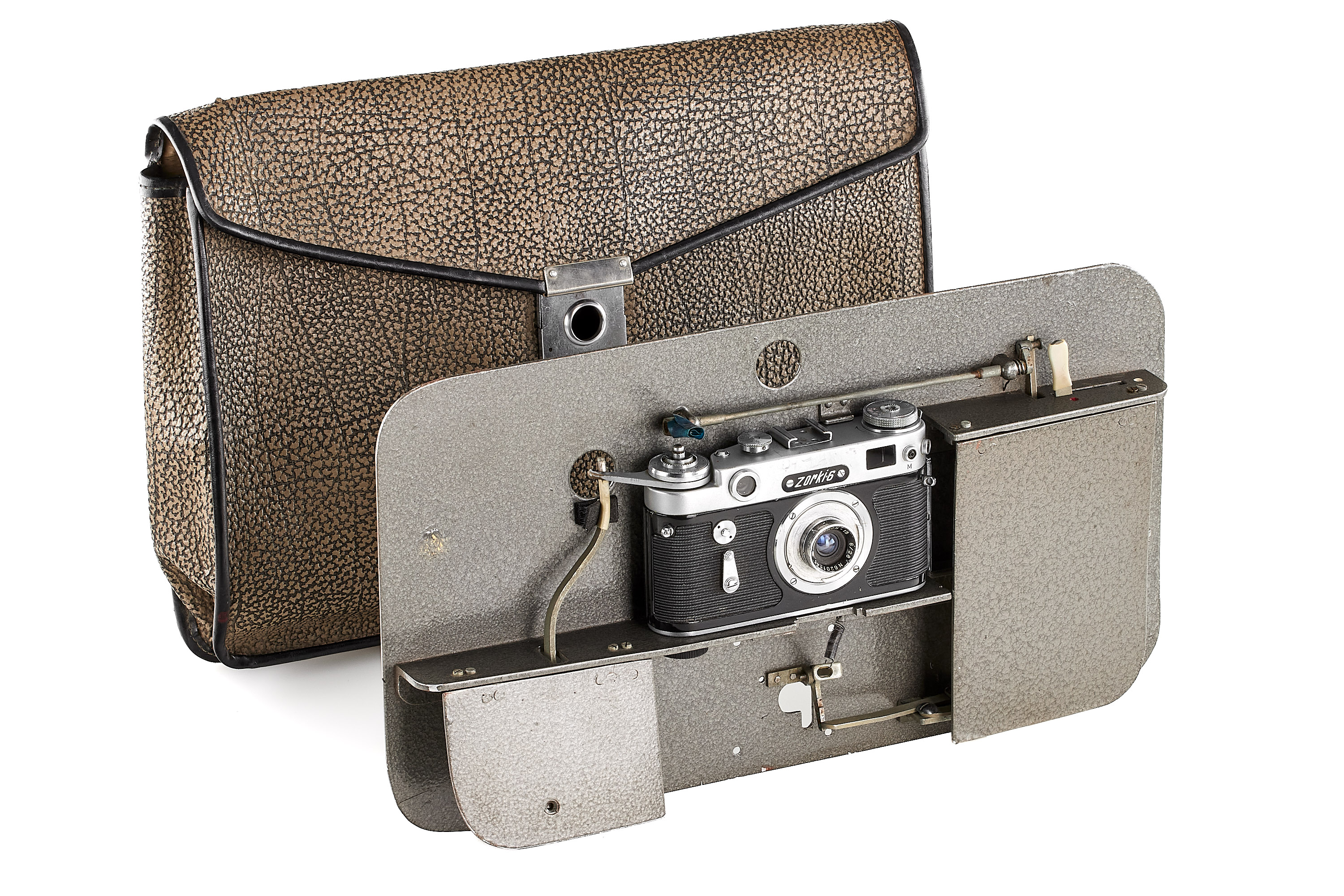
None of those is a routine camera. They are simply not unusual in any way a keyword can find. A specialist reading the entry would very often have seen it; a machine reading the same entry cannot.
That is worth stating plainly, because it cuts against the neat version of this finding. The tail is not full of anonymous cameras that ran away for no reason. It is full of interesting objects the catalogue described in ordinary language — and pricing the interest in them is exactly the judgement an estimate is being asked to make.
Ordinary cameras behave
Separate those sales into the ordinary and the singular, and the two populations look nothing alike.
| Lots | Median result | 95th percentile | |
|---|---|---|---|
| Ordinary | 19,133 | 0.80 | 1.76 |
| Rare finish | 916 | 0.96 | 2.30 |
| Prototypes, samples, one-offs | 1,782 | 0.96 | 2.74 |
(This table was computed before the eight set-aside lots were removed and so counts eleven more than the tables above. None of the eight falls in the exceptional categories, and the medians are unaffected.)
An ordinary camera sells at 80% of its top estimate, and only one in twenty gets past 1.76 times. That is a well-behaved, quite predictable market — and the house is pricing it conservatively, not optimistically.
The exceptional objects are centred correctly, at 0.96, but carry a tail more than half as long again. Those are where the surprises live, and where the estimate stops being a forecast.
Twenty years of getting better
Split the record by era and something genuinely creditable appears.
Median hammer price as a share of the top estimate, by year. The dashed line is 1.0 — the estimate met exactly. Bars reaching it are shown in green. 2010 is absent: those sales carry no date in the published index.
In the 2000s Leitz was valuing its lots roughly a third above what they went on to make. By the 2020s that gap has closed: the median lot now sells within a few per cent of its top estimate.
That is a real improvement in a difficult skill, sustained over two decades, and it has gone unremarked because the results are published one sale at a time, and nobody reads twenty years of them at once.
So why is the hit rate unchanged?
Because the house narrowed the target while it was learning to hit it.
| Period | Typical range width |
|---|---|
| 2005–2009 | high estimate 22–25% above low |
| 2019–2026 | high estimate 17% above low |
A €1,000 lot today is bracketed between roughly €900 and €1,050. Better aim and a tighter window cancelled out, and the proportion landing inside the range has sat within a point or two of 19% every year we can measure.
There is also a floor under how well this can ever work. If four per cent of lots are going to multiply, no range of ±17% will catch them, and widening it to the point where it could would make it useless for everything else.
The expensive things get looked at properly
Median hammer as a share of the top estimate, by what the lot was expected to make.
A lot expected to make over €10,000 sells, on the median, for almost exactly its top estimate. A lot expected to make under €500 sells for three-quarters of it. The hit rate is flat across all four bands, so this is not about precision — it is about attention.
What to take from it
If you are bidding, the top estimate is not a ceiling. Three lots in ten go past it. On an ordinary camera the range is a fair guide and slightly conservative; on anything unusual it tells you less than you think.
If you are consigning, the low estimate deserves scepticism — half of everything sells below it — but the modern figure is far closer to honest than the one you would have been quoted in 2007.
And if you are simply watching, the useful thing is the shape rather than the accuracy. Most of this market is orderly and mildly undervalued. A small fraction of it is not bounded at all, and that fraction pays for the room.
That is not a market anyone can forecast. It is one worth paying attention to.